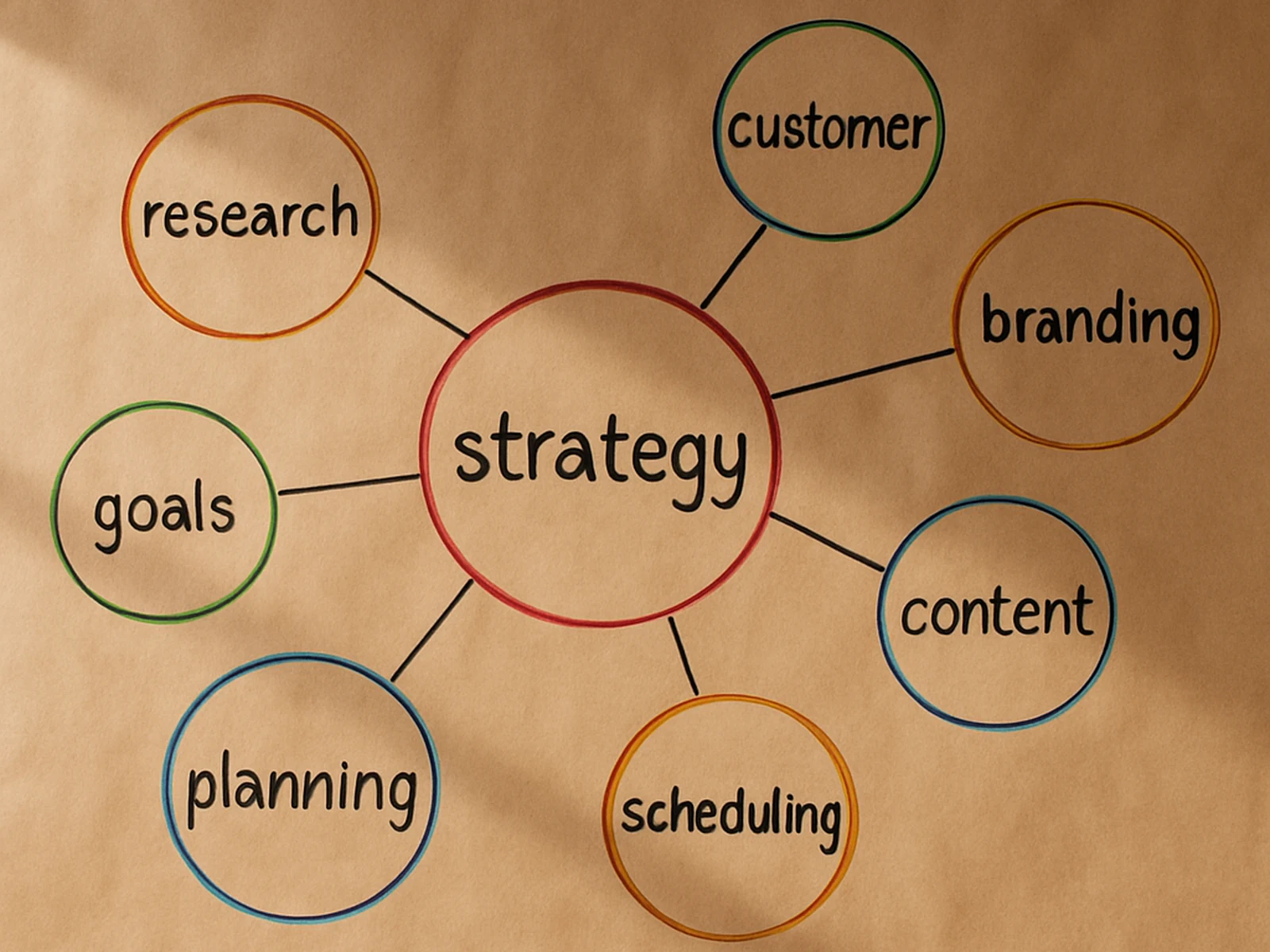
We do not use quick tricks. We build the topical authority Google rewards over time. Documented audits, topic clusters, real editorial links.
40+ Italian businesses. Documented growth.
Each service focuses on a specific aspect of content performance in organic search. Use them individually or combine into a plan.
Every project follows the same documented process. You know what we do, when we do it, and why.
We start by mapping your current content landscape against what search actually rewards. We pull Search Console data, crawl your site, and audit your top and bottom performers. The result is a written baseline document that tells you exactly where you stand -- and why certain pages are stuck.
Based on the audit findings, we build a topic cluster map and editorial calendar tailored to your business objectives. Not a generic plan -- a specific prioritised sequence of content actions with expected outcomes for each. You know what we will do, in what order, and why each piece matters before we start.
We write, optimise, and structure content to satisfy both the query intent and the E-E-A-T signals Google uses to evaluate topical authority. Every piece arrives with its keyword brief, internal link recommendations, and structured data specification. No vague handoffs.
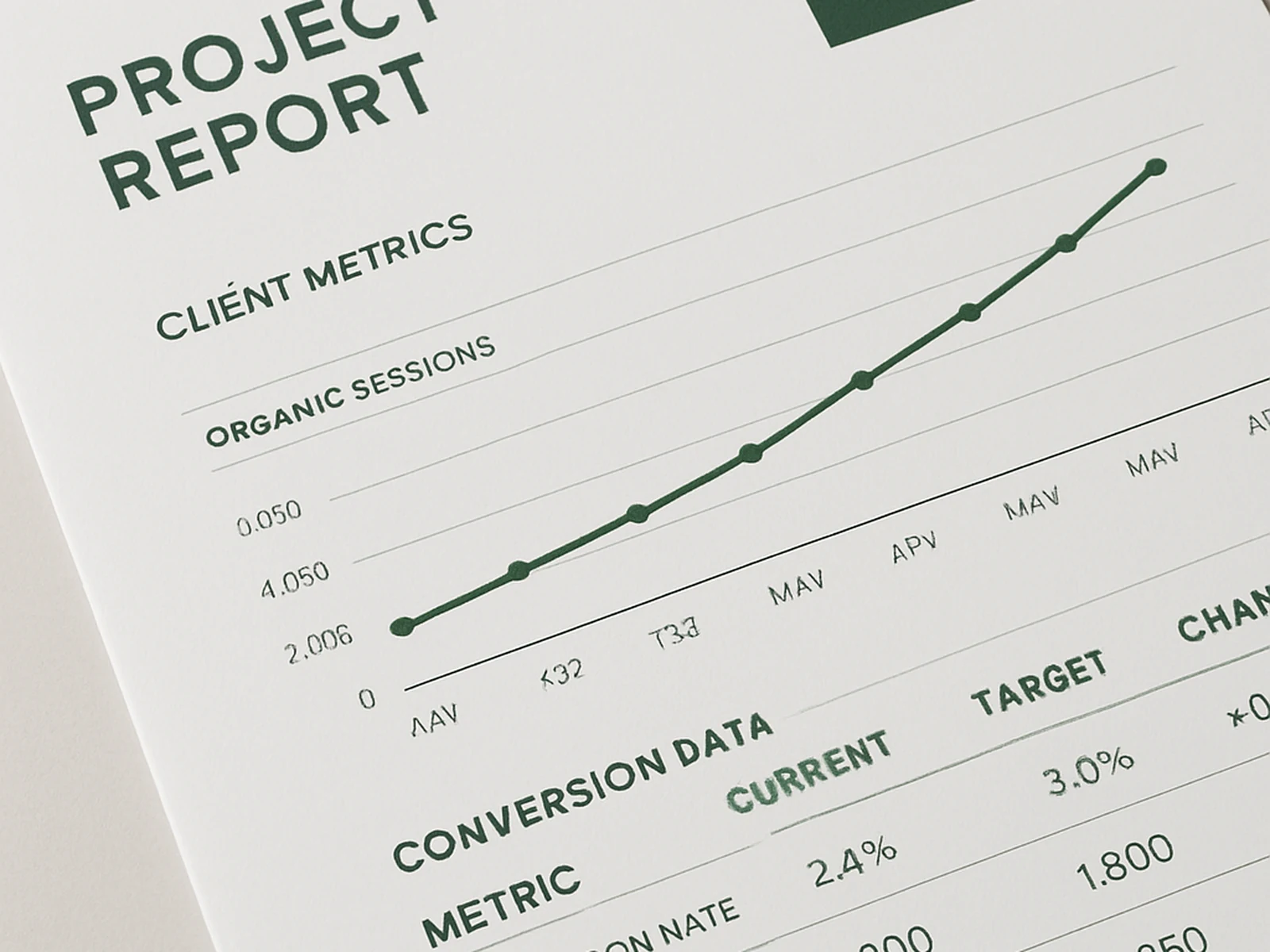
Monthly reports open with organic traffic and conversion data, not ranking tables. We show you what moved, what caused it, and what we are adjusting as a result. Every quarter we revisit the strategy to make sure the content plan still aligns with where your business is going.
Three Italian businesses. Three different sectors. Real documented results with verifiable numbers.
The company had 40+ landing pages all targeting near-identical intent with thin, marketing-heavy copy. There was no blog, no supporting content, and no topic authority. We built a content cluster strategy around 4 core business problems their software solved, produced 24 pieces of supporting content over 9 months, and rebuilt 6 core landing pages with entity-rich, intent-matched copy. Organic trial signups went from 12 per month to 53.
The firm had a 7-page website with no dedicated content for its practice areas beyond brief paragraph descriptions. The content gap analysis identified 37 high-volume, high-conversion-rate queries that local competitors were capturing. We produced practice area guides, FAQ content, and local search landing pages over 6 months, combined with E-E-A-T work citing the firm's lawyers in authoritative legal publications.
The site had 80+ category pages that were essentially blank apart from a product grid and a sentence of text. No buying context, no entity signals, no comparison content. We rewrote 28 priority category pages with intent-matched buying guide content, added comparison tables and structured data, and built supporting blog content targeting pre-purchase queries. Revenue from organic grew from 4,200 EUR/month to 10,900 EUR/month in 8 months.
The content audit delivered in week one showed us problems we had been ignoring for three years. The fact that everything came with a written rationale rather than just a checklist made it immediately actionable for our developer.
We had used three SEO agencies before. All of them sent monthly rank reports and nothing else. ProContentSEO was the first team to actually explain why a page was ranking or not ranking, and to document what they changed and why.
The category page rewrite project was scepticism-inducing at first. Rewriting product pages to add \"buying guide content\" seemed like bloat. Four months later the evidence was undeniable -- revenue from organic search nearly doubled on those pages.
Two things I would tell any other founder considering this: ask to see their work before you engage them (they are happy to show documented deliverables), and set realistic timeline expectations. Content SEO takes months, not weeks. Worth it.
Each plan includes specific services combined to produce measurable organic growth. Or build a custom package instead.
General SEO covers a broad range of technical, link-based, and content factors. Content SEO specifically focuses on what you publish: the topics you cover, how deeply you cover them, how content pieces connect to each other, and whether what you write satisfies both the user's intent and Google's E-E-A-T requirements. The reason to focus on this is that most sites have already fixed the basic technical issues -- content is what separates the sites that plateau from those that keep growing.
For on-page optimisation of existing content, we typically see Search Console movement within 6-10 weeks of changes going live. For new topic cluster content, realistic timeframes are 4-8 months for meaningful organic visibility. For sites that are technically sound and already have some organic presence, improvement is usually visible within 3-4 months. We give you a specific written estimate based on your site audit, not a generic answer.
Both, depending on the service. The Content SEO Audit and Content Gap Analysis are advisory deliverables -- you receive documents your team uses to implement. On-Page Content Optimisation, SERP-First Content, and E-E-A-T Signal Building are production services where we write and produce the content. The Topic Cluster Architecture is strategy only (we design the content map; you or your writers produce the content). All our production work comes with full editorial briefs and structured data specifications.
No. If an agency guarantees specific rankings, that is a red flag. Google independently controls its algorithm and no third party can guarantee positions. What we do guarantee is documented work delivered as agreed, honest analysis, and the application of content SEO best practices that have a proven track record of producing organic growth when applied consistently. We document what we do so you can verify every claim.
The first step is understanding where you stand. A Content SEO Audit tells you exactly that, in 4-5 business days.
Message sent. We'll get back to you shortly.